


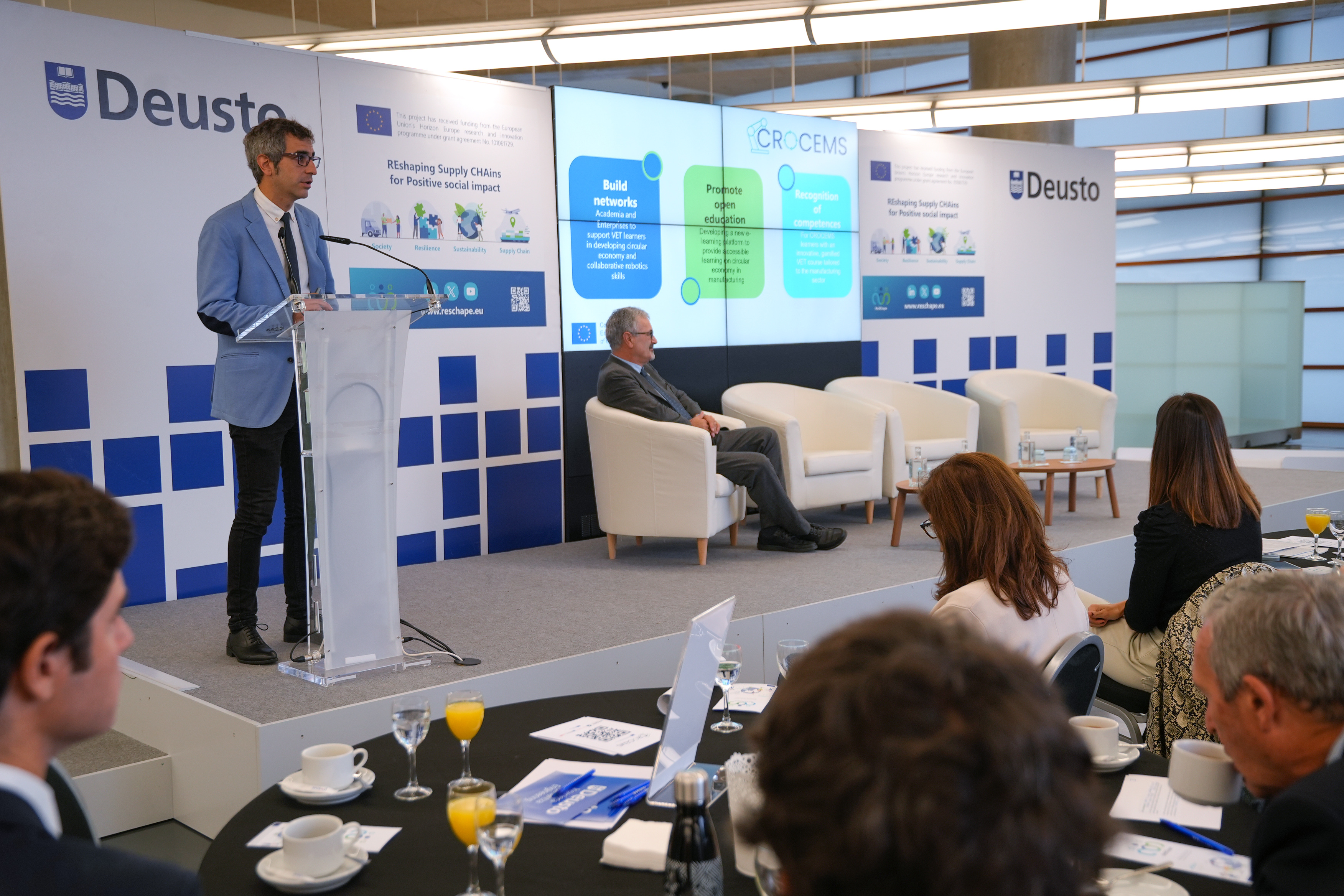
It has been developed by researchers at the University of Deusto within the framework of the ReSChape Project, to support companies in measuring their social contribution and strengthening alignment with European sustainability and transparency frameworks. ReSChape (2022–2025) is a European project that analyzes impacts on supply chains and proposes models to make them more sustainable […]
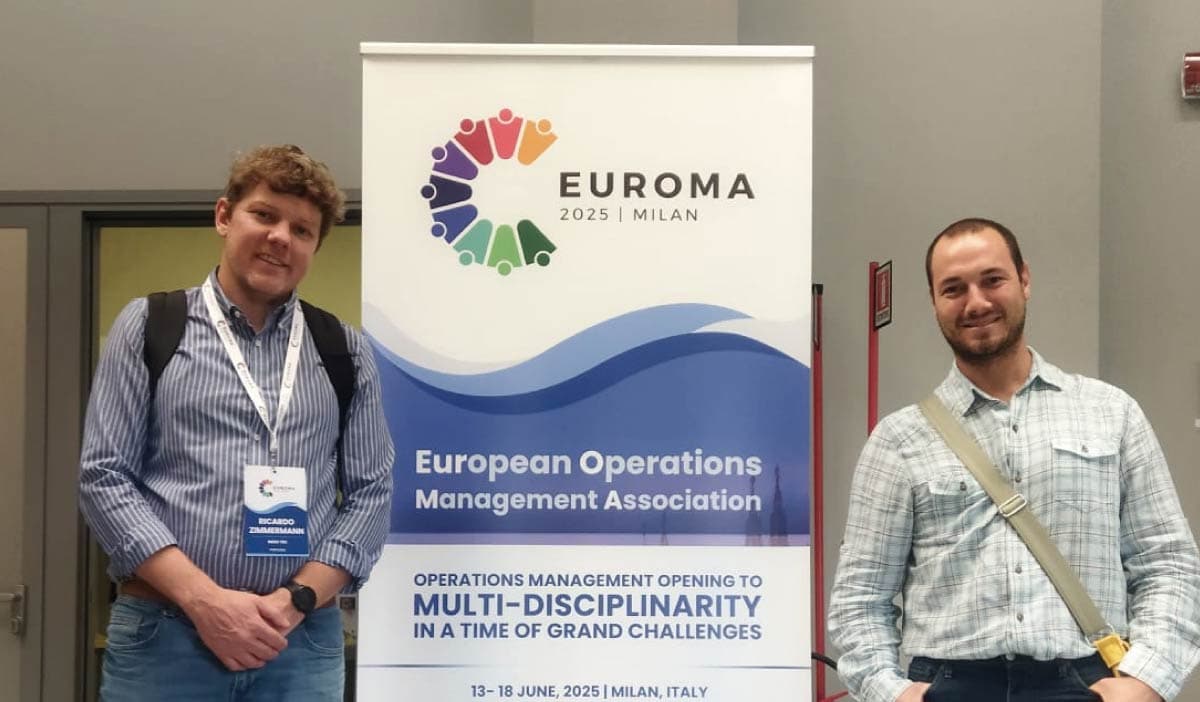
The ReSChape project was represented at the EurOMA (European Operations Management Association) Conference 2025 with the presentation of three research papers. Held in Milan, Italy, from 13 to 18 June, the conference gathered more than 600 researchers from approximately 30 countries. Recognized as the most important event in the field of operations and supply chain […]
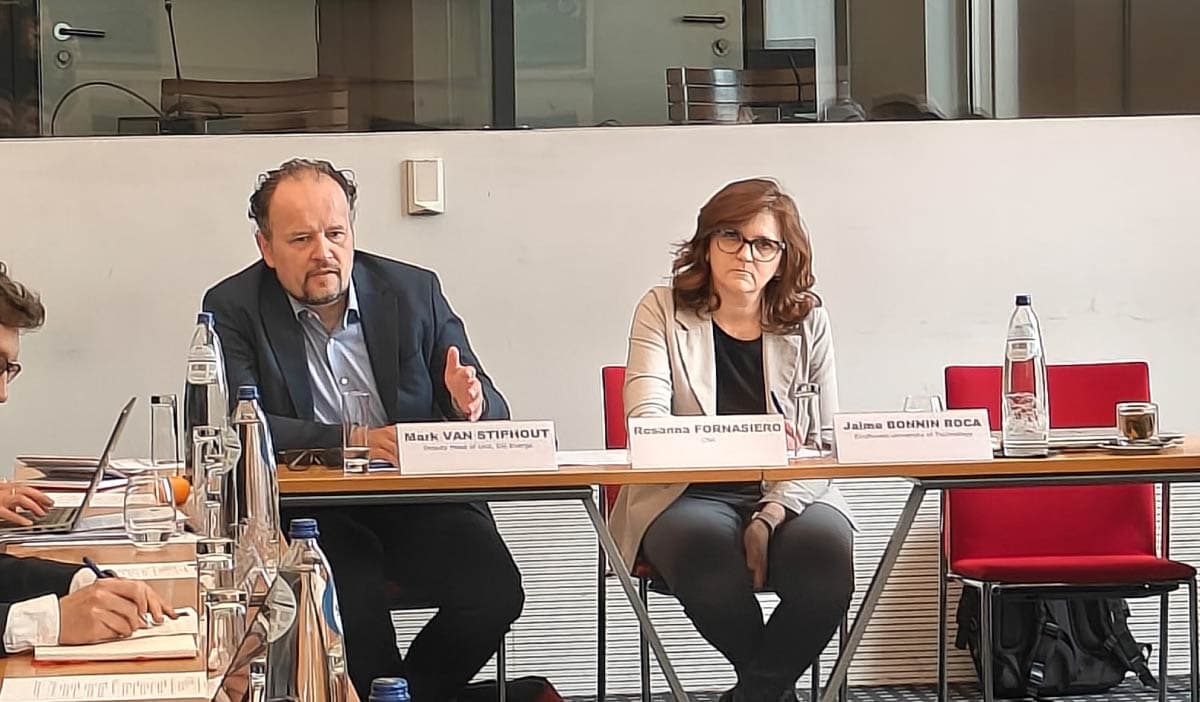
On May 22, 2025, the ReSChape project hosted a high-level policy workshop titled “EU Policy and Supply Chain Resilience” at the Résidence Palace in Brussels. Organized by Eindhoven University of Technology (TU/e), the event gathered 28 participants, including European Commission officials and private sector representatives, for an in-depth exchange on the evolving regulatory landscape and […]

The ReSChape project continues to strengthen its visibility and scientific impact with the inclusion of its research in Human-Centred Technology Management for a Sustainable Future, a newly published book series by Springer. The series compiles research contributions presented during the International Association for Management of Technology (IAMOT) Conference, which took place in July 2024 in […]
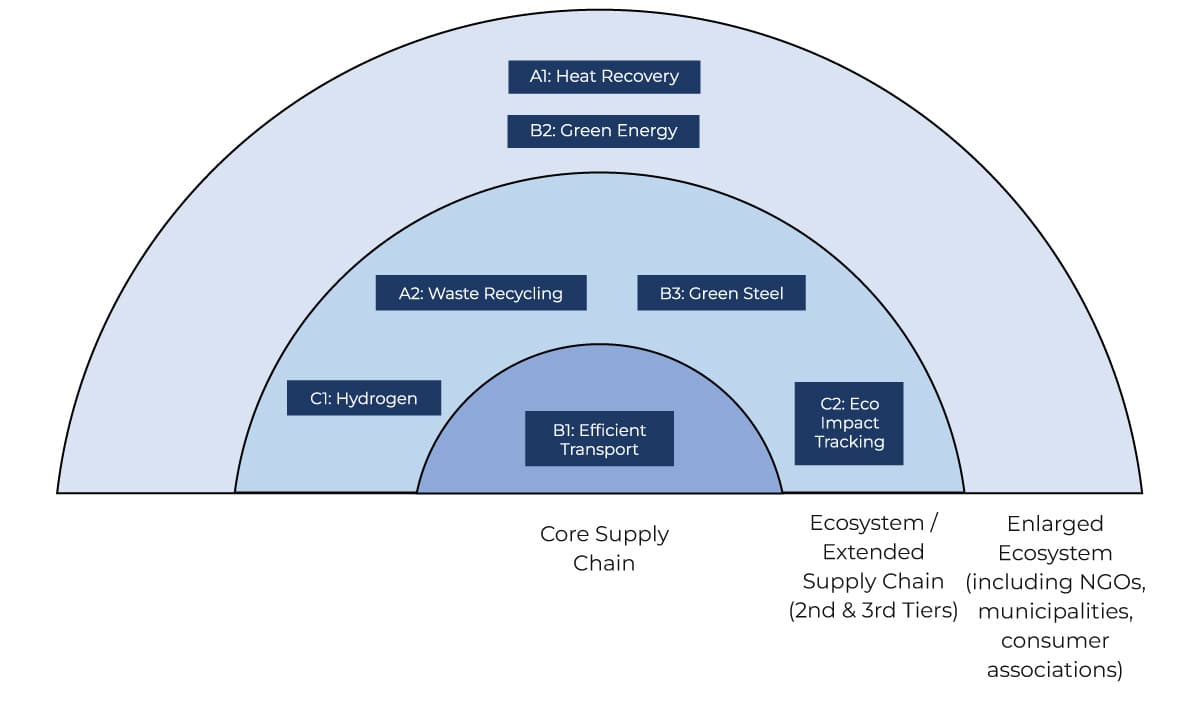
The study presented at IAMOT 2024 in Porto is now published in the new book: Human-Centred Technology Management for a Sustainable Future Access this book Edited by Zimmermann, R., Rodrigues, J. C., Simoes, A., & Dalmarco, G. (2024) for Springer. This study investigates how technological innovation can foster both supply chain sustainability and transformative resilience, […]

The ReSChape project was recently featured at the EurOMA Sustainability Forum 2025, where project partner INESC TEC contributed with a policy-focused presentation that brought key insights to an international audience of sustainability and operations management researchers. Pedro Senna, researcher at INESC TEC, presented the paper titled “Cross-country policy analysis on topics related to the sustainability […]
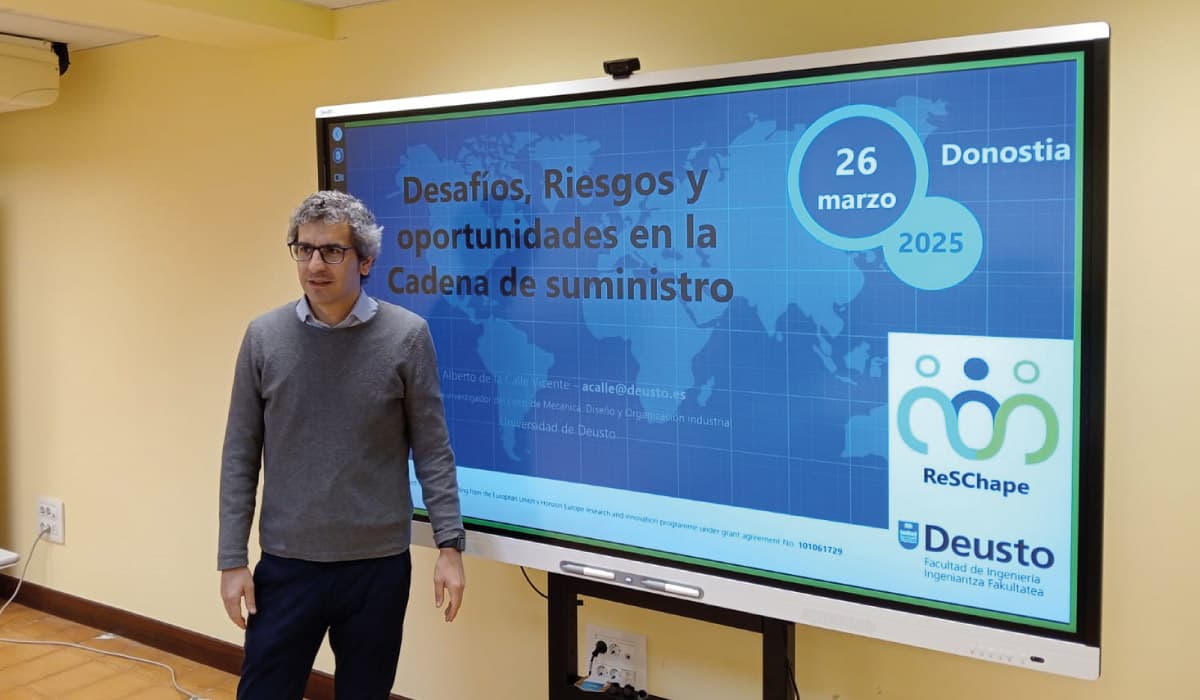
A recent workshop held in Gipuzkoa (Spain) brought together logistics professionals, academics, and technology experts to discuss warehouse efficiency and the broader role of supply chains in driving sustainability and resilience. The event, titled “Cost Savings through Warehouse Management Systems (WMS)”, was co-organized by InLog Consultoría y Soluciones and Ingenieriak, the Official College of Industrial […]

Video recording is available now! Global Value Chains and Social Policies: Insights from EU Research
On Friday, November 8th, ReSChape project hosted a webinar titled “Global Value Chains and social Policies, alongside our sister projects TWIN SEEDS and RETHINK-GSC”. Globalisation has fundamentally reshaped trade dynamics, value chains and production networks – bringing both opportunities and challenges to the fore. Major crises and recent events, including “geopolitical instability”, along with challenges like […]

The IATMOT 2024 Conference Unveils Key Insights from Three Groundbreaking Studies ReSChape Pioneers in Advancing Research and Development, Enhancing Social and Environmental Well-being through More Resilient and Responsible Supply Chains Zaragoza, July 26, 2024 – Exciting new revelations from the ambitious ReSChape project, funded by the European Commission’s Horizon Europe Program, have emerged, shedding light […]

On Monday, July 15th, the ReSChape project hosted a webinar titled “Social Sustainability in European Supply Chains: Commitment and Open Issues.” This session brought together experts to discuss the critical role of social sustainability and the ongoing challenges in European supply chains. The webinar highlighted the increasing commitment of European companies to integrate social sustainability […]